
Before You Go: Zambia Self-Drive Essentials
Before diving into a specific circuit, here's the practical groundwork that applies wherever you're headed - visas, seasons, money, fees, and connectivity.
Visas and Border Crossings
Requirements vary by nationality, so always check the Zambia Department of Immigration site close to your travel dates, but broadly:
Many nationalities (including the UK, US, Canada, Australia, and most of the EU) can enter Zambia visa-free or via visa on arrival; others need to apply for an e-Visa in advance. E-Visa fees are around $40 (single entry) or $75 (multiple entry).
Tourist entry is generally granted for up to 90 days per calendar year for eligible nationalities.
If you're combining Zambia with Zimbabwe (Victoria Falls, or a Lower Zambezi/Kariba loop that dips across the border), the KAZA Uni-Visa (~$50, valid 30 days, multiple entries) covers both countries and also grants a one-day pass into Botswana via the Kazungula border - handy for a Chobe day trip.
Your passport needs at least 6 months' validity and 2 - 3 blank pages - check before you fly, not at the border.
Getting Around and Road Safety
Zambia drives on the left.
Secondary and rural roads are often poorly maintained, unlit, and shared with pedestrians and livestock - avoid driving after dark wherever possible, and never underestimate how long a route will take.
Carry two emergency warning triangles, as these are a legal requirement.
There's no formal roadside emergency service outside major towns, so lean on the vehicle prep and self-sufficiency guidance elsewhere on this site for anything remote. The Voyagers Roadside Assistance programme is available to any driver in Zambia, not just Voyagers customers, and is worth having on hand before you set off.
Best Time to Visit
Zambia has two broad seasons that affect nearly every circuit decision you'll make:
Dry season (June–October): Most roads are passable, wildlife concentrates around water sources for easier viewing, and this is when routes like the Amatololo Loop and some community campsites are open. Peak dry season (July–October) is also when the Northern Circuit can be combined with the Luangwa Valley.
Wet season (November–April): Landscapes are lush and birding is excellent, but many remote tracks become impassable, some camps close entirely, and river levels change fast. November is also when the Kasanka bat migration begins and the Liuwa Plain wildebeest migration is in full swing - so a handful of wet-season windows are genuinely worth the tradeoffs.
Park Fees and Entry
Fees are set per person per day (6am–6pm counts as one day). For self-drivers, South Luangwa, Lower Zambezi, and Mosi-oa-Tunya (Victoria Falls) charge a flat $30 entry fee for everyone, regardless of nationality. If you're not self-driving (e.g. on a guided game drive), the standard tiered entry fee applies instead. On top of entry, a separate vehicle fee applies at every park: $15/day for foreign-registered vehicles, or K35/day for locally registered vehicles. Treat the figures below as a guideline and confirm current rates before you travel, as they change without notice (full fee schedule):
South Luangwa: Self-drive: $30 flat. Non-self-drive: $20 (resident/SADC) / $25 (international).
Lower Zambezi: Self-drive: $30 flat. Non-self-drive: $20 (resident/SADC) / $25 (international).
Mosi-oa-Tunya: Self-drive: $30 flat. Non-self-drive: $5 (resident/SADC) / $10 (international).
North Luangwa: $15 (resident/SADC) / $20 (international).
Kafue: $15 (resident/SADC) / $20 (international).
Kasanka: $7 (resident/SADC) / $10 (international).
Luambe: $10 (resident/SADC) / $15 (international).
West Lunga: $5 (resident/SADC) / $10 (international).
Most other parks: Around $5.
Vehicle fee (all large parks, per vehicle/day): $15 foreign-registered / K35 locally registered.
A few things worth knowing:
Children under 5 enter free; ages 5–13 pay half price.
Camping, boating, canoeing, and angling carry their own separate daily activity fees on top of park entry.
Fees are generally payable in cash (USD or Kwacha) or by card at the gate, depending on the park - card facilities aren't guaranteed everywhere, so carry cash as a backup.
Community-run campsites (like those in Liuwa Plain or Luambe) often collect fees directly on-site.
Book community and lodge campsites ahead where possible, especially in peak season - many have limited pitches.
Money
The currency is the Zambian Kwacha (ZMW), and by law payments within Zambia should be made in kwacha - though many tourist-facing hotels, lodges will also take US dollars.
ATMs are reliable in Lusaka, Livingstone, and other major towns, but scarce to non-existent once you're off the main routes - withdraw or budget cash before heading into any remote leg. Visa and Mastercard are more widely accepted than Amex.
Carry a mix of small-denomination cash (USD and Kwacha) for park fees, fuel, and rural stops - vendors often can't break large notes, and card acceptance is inconsistent outside cities and lodges.
Mobile money (Airtel Money is the most widely used) is a handy way to pay smaller, informal vendors like local artisans or drivers.
Amounts over $5,000 must be declared at the border, and there's a $5,000 limit on bank withdrawals - worth knowing if you're carrying significant cash, though check current limits before you travel as these can change.
Withdraw or budget cash before heading into any of the more remote legs (North Luangwa, Liuwa, Bangweulu, West Lunga).
Connectivity
Coverage is decent along the main road corridors and in towns, but expect long stretches with no signal in North Luangwa, Liuwa Plain, West Lunga, and the more remote parts of Kafue and the Northern Circuit.
If you need to stay reachable, a satellite communicator or a system like Starlink is worth considering for extended remote legs - don't rely on your phone alone.
A Note on Planning
Every circuit guide on this site includes its own Trip Essentials section with duration, route, vehicle, and fuel specifics - treat this page as the general layer underneath all of them, and the individual guides as the detail on top.
Health & Safety Basics
General guidance to plan around - this isn't medical advice, so confirm specifics with a doctor or travel clinic before you go.
Malaria
Zambia is a malaria risk area year-round, with higher risk in the wet season (November–April). See a doctor or travel clinic well before departure to discuss antimalarial prophylaxis suited to you, and pack mosquito repellent, long sleeves for evenings, and a mosquito net if you're not sleeping in a fully enclosed tent.
Vaccinations
Routine vaccinations should be up to date, and a yellow fever certificate is required if you're arriving from a country where yellow fever is present - check current requirements with your travel clinic, as they depend on your routing.
Wildlife Safety
Walking safaris: Always go with a qualified, armed guide - never walk unguided in areas with dangerous game, including South and North Luangwa. Listen to your guide at all times; their instructions are what keep you safe.
Around wildlife generally: Never approach, harass, or try to provoke a reaction from any animal, no matter how small or seemingly harmless - and don't get out of your vehicle near game, since breaking the vehicle's outline can trigger a fight-or-flight response.
In camp: Many bush campsites are unfenced. Keep food secured, don't leave scraps out, stay alert at night, and follow your guide's or camp's briefing on what to do if animals wander through camp - hippos and elephants are the ones that cause the most incidents, not predators.
Water: Don't swim in rivers, lakes, or dams unless you're explicitly told it's safe - hippos, crocodiles, and bilharzia are all real risks even where the water looks calm.
On the road: Watch for animals crossing at dawn, dusk, and night, especially in and around parks - slow down and give them space.
General Security
Zambia is generally a safe destination and incidents involving visitors are rare, but ordinary precautions go a long way: don't leave valuables visible in vehicles or at camp, avoid walking around unfamiliar areas after dark without a guide, and be cautious of scams around ATMs and street money-changers. Zambia Tourism maintains a downloadable emergency numbers list worth saving to your phone before you set off.
Emergency Contacts
SES Zambia - 737. SES is Zambia's most reliable ambulance and medical evacuation service, and worth saving to your phone before you set off, especially for the more remote circuits.
Save the contact details for the nearest lodge, camp, or ranger station to wherever you're staying - many remote camps can assist with emergencies or radio for help even if you're not a guest.
In South Luangwa and Livingstone, private medical evacuation and clinic services are available; coverage and response times drop significantly the more remote you get (North Luangwa, Liuwa, West Lunga), so factor that into how much risk you're comfortable with on those legs.
Consider travel insurance that includes medical evacuation, particularly for the more remote circuits.
General Precautions
Drink bottled or properly treated water outside of towns and lodges.
Sun protection matters more than people expect at this altitude and latitude - hat, sunscreen, and staying hydrated go a long way.
Basic road safety: potholes, unmarked speed bumps in towns, and livestock/pedestrians on rural roads are more likely hazards day to day than wildlife.
Vehicle Prep & Packing Checklist
Whichever circuit you're tackling, the right preparation makes the difference between a smooth trip and a stressful one. Here's what to sort out before you leave.
Vehicle Checks
Tyres: Check tread and carry at least one full-size spare (two is safer for remote circuits like the Western Circuit or North Luangwa). Know how to air down for sand - Liuwa Plain and the Kalahari-style tracks in Kafue and Bangweulu are easier at lower pressure, and remember to re-inflate before returning to tar.
Recovery gear: A rated recovery strap or kinetic rope, shackles, a shovel, and traction boards or sand ladders. A high-lift or bottle jack rated for soft ground is worth having if you're getting properly remote.
Fluids and filters: Service the vehicle before you go, and carry spare oil, coolant, and a basic filter set if you're heading somewhere with no mechanical support (North Luangwa, West Lunga, Liuwa).
Spares kit: Fan belt, radiator hose, fuses, and basic tools - small, light items that solve big problems far from a workshop.
Fuel and Water
Fuel: Know your vehicle's range and carry extra in proper jerry cans for any leg with limited fuel stops - this applies especially to Liuwa, North Luangwa, West Lunga, and the Bangweulu/Kasanka detours on the Northern Circuit.
Water: Carry more than you think you need, both for drinking and vehicle use. Onboard tanks are ideal; if you don't have one, pack enough jerry cans for the most remote stretch of your trip, not just an average day.
Camping and Comfort
Rooftop tent or ground tent, appropriate for the terrain (a rooftop tent keeps you off wet or uneven ground and away from small wildlife).
Fridge or cooler - a proper 12V fridge is a big upgrade over ice for any trip longer than a couple of days.
Power - solar panel and/or a portable power station to keep your fridge and devices running without draining the vehicle battery.
Basic camp kitchen, headlamps, and a reliable light source for camp (many bush campsites have no electricity).
Documents and Money
Passport (6+ months validity), visa or e-Visa approval, and vehicle registration and insurance documents.
Cash (USD and Kwacha) for park fees, fuel, and rural stops - see the Before You Go page for more on this.
A physical map or offline GPS route - don't rely on phone signal once you're off the main roads.
Health and Safety Extras
First aid kit, malaria prophylaxis, and any personal medication.
See the Health & Safety page for more detail on this.
The GoXplore Shortcut
If putting all of this together sounds like a lot of admin, it's exactly what our rental packages are built to solve - fridge, water, solar power, recovery-ready setup, and a rooftop tent, all fitted to your own vehicle before you set off. Get in touch and skip straight to the driving.

The northern circuit
Zambia's Northern Circuit is one of Africa's last great overlanding adventures - a journey through wild landscapes, remote parks, and vibrant local culture. From the misty woodlands of Kasanka National Park, where millions of fruit bats fill the skies each year, to the vast Bangweulu Wetlands with their shoebills and black lechwe, this route is pure wilderness. Along the way, travellers explore the granite hills of Mutinondo, the historic Shiwa Ng'andu Estate, the soothing Kapishya Hot Springs, and the turquoise shores of Lake Tanganyika, before ending at the thundering Lumangwe Falls. It's an unforgettable circuit through Zambia's untamed north - raw, remote, and breathtakingly beautiful.
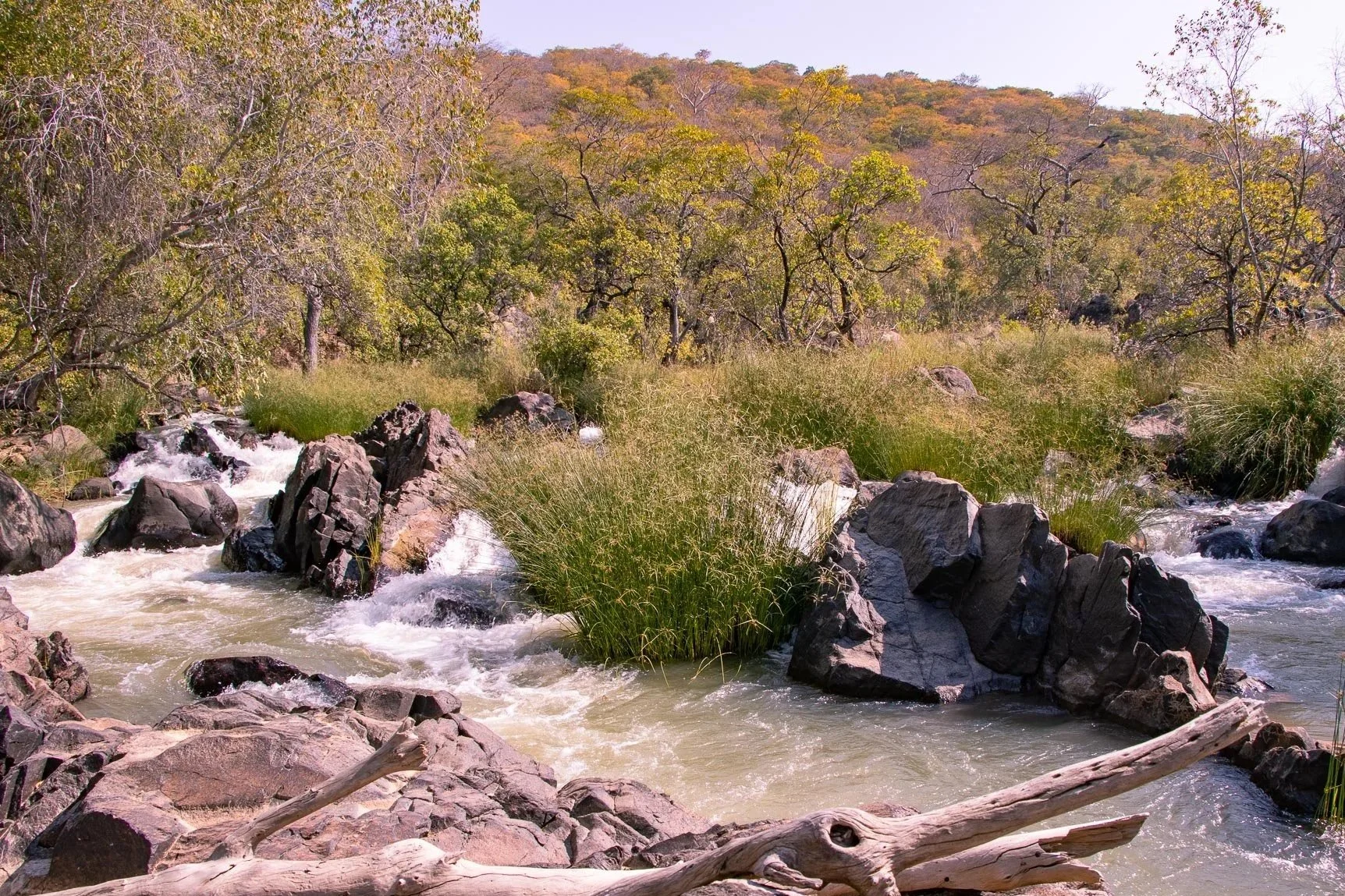
Lufila Falls, North Luangwa
Trip Essentials
Duration: Allow a minimum of 6–7 days to hit the highlights; 10–14 days lets you slow down, add rest days at Mutinondo or Lake Tanganyika, and detour into the Bangweulu Wetlands without rushing.
Route: Broadly follows the Great North Road from Lusaka through Kapiri Mposhi, Serenje, and Mpika up to Kasama and Mbala, with detours west to Kasanka, Bangweulu, and Shiwa Ng'andu/Kapishya, and a final push to Mpulungu on Lake Tanganyika.
Vehicle: A capable 4x4 is essential - the detours into Bangweulu and some of the waterfall access roads are rough, sandy, or seasonally waterlogged. This isn't a route for a stock 2WD.
Fuel and resupply: Fill up whenever you pass through a town of any size (Kapiri Mposhi, Mkushi, Mpika, Kasama) - the wetland and estate detours can go long stretches without fuel or shops.
Self-sufficiency: Many of the best campsites are wild or semi-wild with minimal facilities, so plan to carry your own water, power, and food between stops.
Tips for Travelling the Northern Circuit
Bat migration timing: Millions of straw-coloured fruit bats gather in Kasanka National Park from late October through December, peaking in November - plan your visit within this window for the best chance of witnessing it.
Combine with the Luangwa Valley: During the dry season (July–October), the Northern Circuit can be joined with a Luangwa Valley route for an extended adventure.
Recommended Campsites (South to North)
Forest Inn, Mkushi
Kundalila Falls
Mutinondo Wilderness
Pontoon Campsite, Kasanka National Park
Nsobe Campsite, Bangweulu National Park
Kapishya Hot Springs
Flowers and Ferns, Mbala
Ndole Bay, Lake Tanganyika
Isanga Bay, Lake Tanganyika
Kalambo Falls, Lake Tanganyika
Lumangwe Falls
Ready to Plan Your Trip?
Want a ready-made itinerary rather than building your own from this list? See Suggested Routes: The Northern Circuit for two day-by-day options — a 7-day highlights run and a fuller 11–12 day explorer.
Take on the Northern Circuit with GoXplore
This is a self-sufficiency route - long stretches between shops, wild campsites with few facilities, and stints of rough road. That's exactly what our rental packages are built for: a fridge to keep food fresh between towns, onboard water and solar power, and a rooftop tent or camper you can pitch in minutes wherever you stop for the night. Whether you're renting a full setup for the trip or kitting out your own vehicle, get in touch and we'll help you plan the right gear for this route.
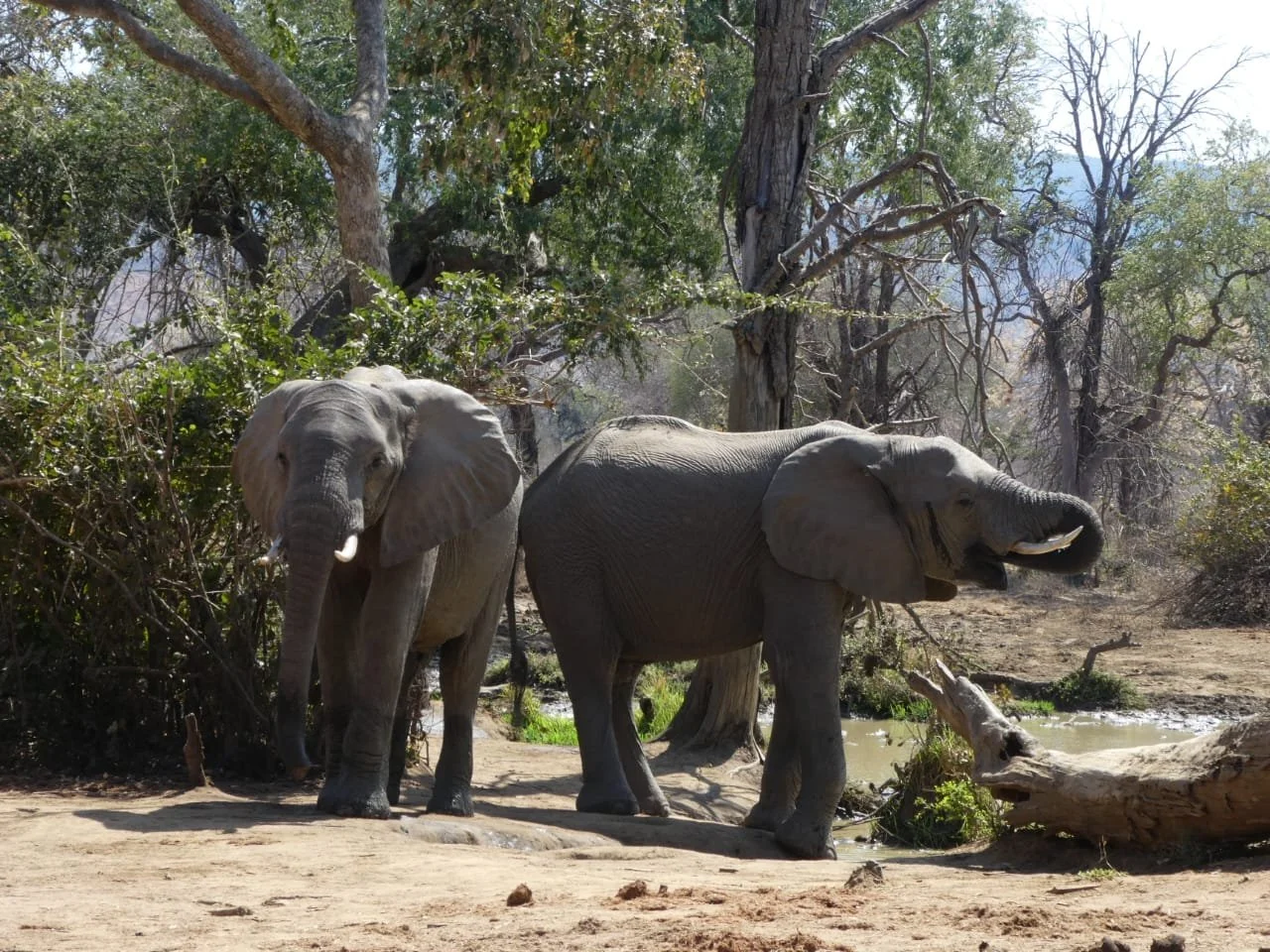
lower zambezi and the southern province
It all begins with an idea.
Zambia's Southern Circuit offers a rich blend of adventure, wildlife, and culture - a family favourite that begins in Livingstone with the awe-inspiring Victoria Falls, widely regarded as one of the seven natural wonders of the world.
Livingstone is a vibrant hub of history, culture, and artisan trade, and serves as the gateway to Zambia's premier tourist experiences. From here, the Southern Circuit stretches northwards, skirting the southern end of Kafue National Park, before winding through Lusaka and descending into the breathtaking Lower Zambezi Valley.
The Lower Zambezi River supports an extraordinary diversity of wildlife. Both river- and land-based activities - safaris, canoeing, fishing, and game drives - offer truly magical encounters in a striking and largely untouched landscape.
The journey back to Livingstone presents two options: a rugged track that traces part of the Lake Kariba shoreline, the world's largest man-made lake by volume, or a tarred road that showcases Zambia's countryside, economy, and wide-open vistas, with a few special stops along the way. Either route completes a true Zambian overland adventure, combining epic landscapes, wildlife, and cultural encounters.
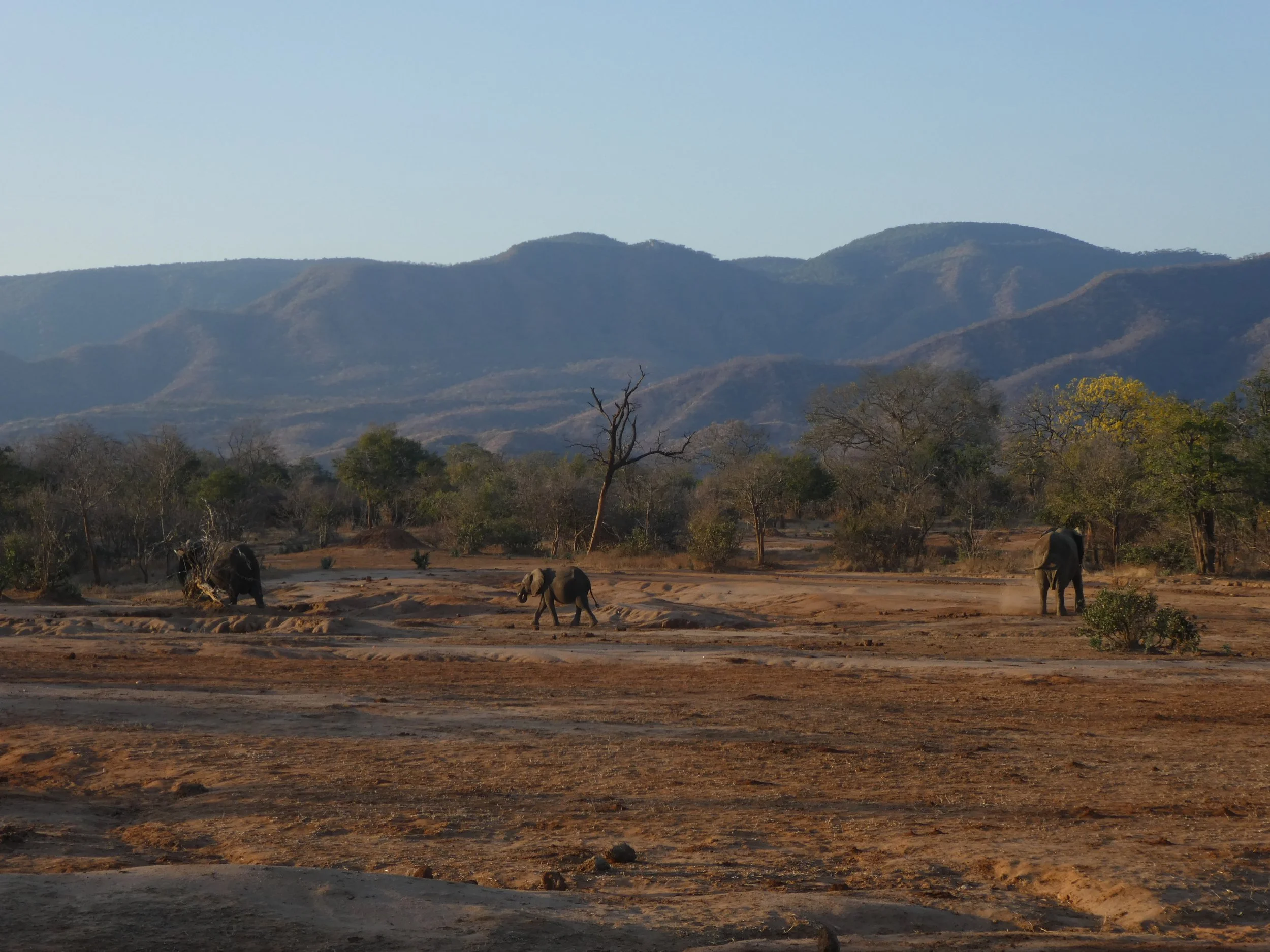
Lower Zambezi National Park
Trip Essentials
Duration: A comfortable loop takes 7–10 days, allowing time at Victoria Falls, a few nights in the Lower Zambezi, and a stop at Lake Kariba on the return leg.
Route: Livingstone → Lusaka (skirting Kafue's southern edge) → down into the Lower Zambezi Valley via Chirundu → back to Livingstone either along the rugged Lake Kariba shoreline or the tarred Southern Province road.
Vehicle: A 4x4 is essential for the Lower Zambezi National Park and surrounding areas, and for the back road down from Lusaka or the Kariba shoreline track if you take either option.
Fuel: Readily available in most large towns along the route, but top up before heading into the Lower Zambezi or along the Kariba back roads, where stations thin out.
Tips for Travelling Zambia's Southern Province
If you're up for an adventure, the back road down to the Lower Zambezi from Lusaka is a fun 4x4 track - allow extra time and go in with full tanks and recovery gear.
The closest campsite to Lower Zambezi National Park is Mvuu Lodge, about a 40-minute drive to the park gate. The surrounding area is also excellent for game viewing in its own right.
A 4x4 vehicle is essential for the Lower Zambezi National Park and surrounding areas.
Recommended Campsites in Southern Zambia (Route Order)
The Waterfront Campsite, Livingstone
The Moorings Campsite, Monze
Lukasa Campsite, Lusaka
KN Cottage and Camping, Lusaka (GoXplore Base)
Gwabi River Lodge, Chirundu
Woods Camp, Lower Zambezi
Kiambi Safari Lodge, Lower Zambezi
Mvuu Lodge, Lower Zambezi (closest campsite to the National Park)
Eagles Rest Resort, Siavonga
The Siavonga Baobab, Siavonga
Lotri Bay, Siavonga
Ready to Plan Your Trip?
Want a ready-made itinerary rather than building your own from this list? See Suggested Routes: The Southern Circuit for two day-by-day options — a 6-day family loop and a fuller 9–10 day loop with Lake Kariba.
Take on the Southern Circuit with GoXplore
Our Lusaka base at KN Cottage and Camping sits right on this route - a natural spot to fit your vehicle out with a fully kitted camper setup before pushing on to the Lower Zambezi, Kariba, or even Mana Pools in Zimbabwe. Whichever return route you choose, our fridges, solar setups, and rooftop tents are built for exactly this kind of mixed tar-and-4x4 loop. Get in touch and we'll help you plan the right gear for the trip.
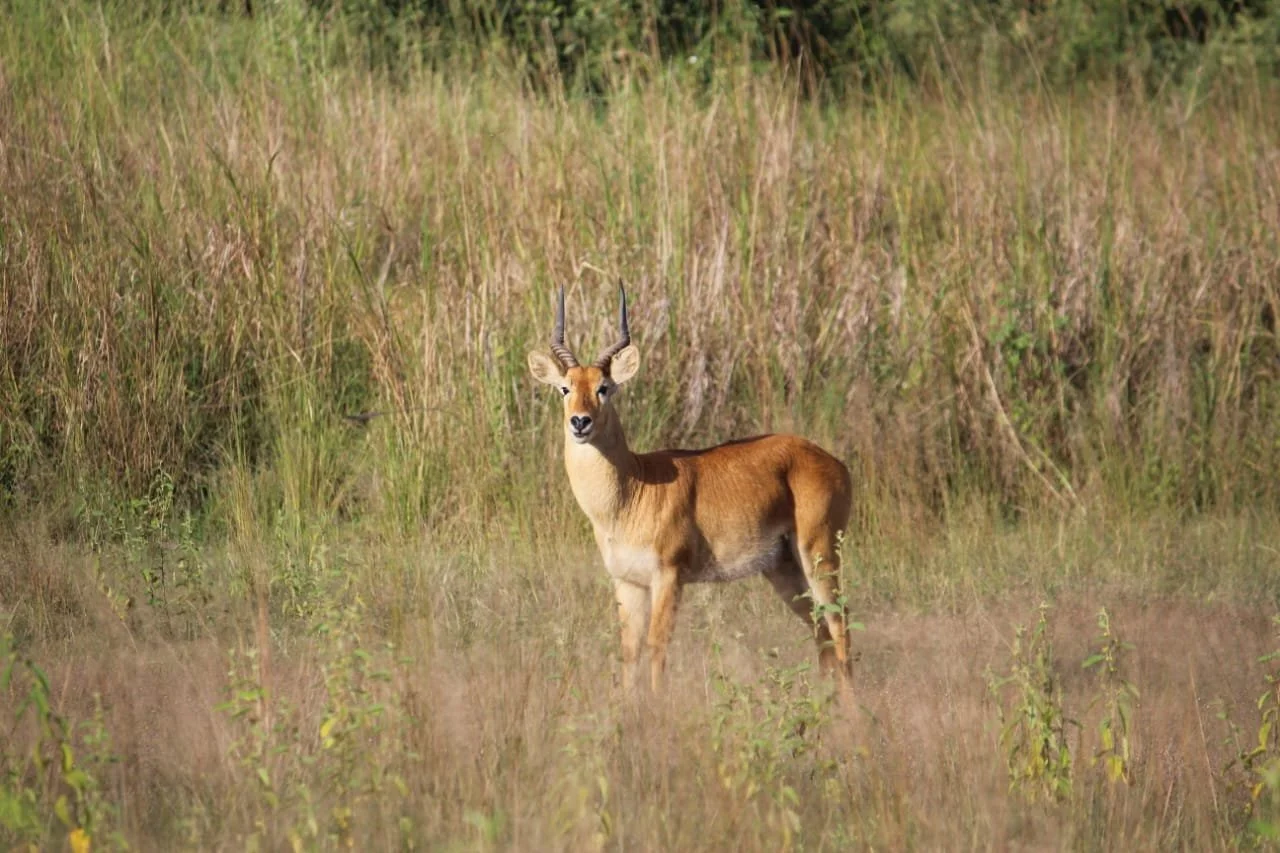
WESTERN PROVINCE AND KAFUE NATIONAL PARK
It all begins with an idea.
The Western Circuit is the heart of the Upper Zambezi, where seasonal floods transform the land into a labyrinth of river channels, reedbeds, and floodplains, supporting a unique economy centred on artisanal fishing and the iconic Lozi cattle. One of Zambia's least populated regions, Barotseland offers breathtaking vistas, rich history, and the stunning Ngonye Falls, along with excellent tiger fishing.
The area also links seamlessly to Liuwa Plains National Park, home to Africa's second-largest wildebeest migration, and Kafue National Park, one of the continent's largest and oldest protected areas - together making this circuit a haven for wildlife and adventure.
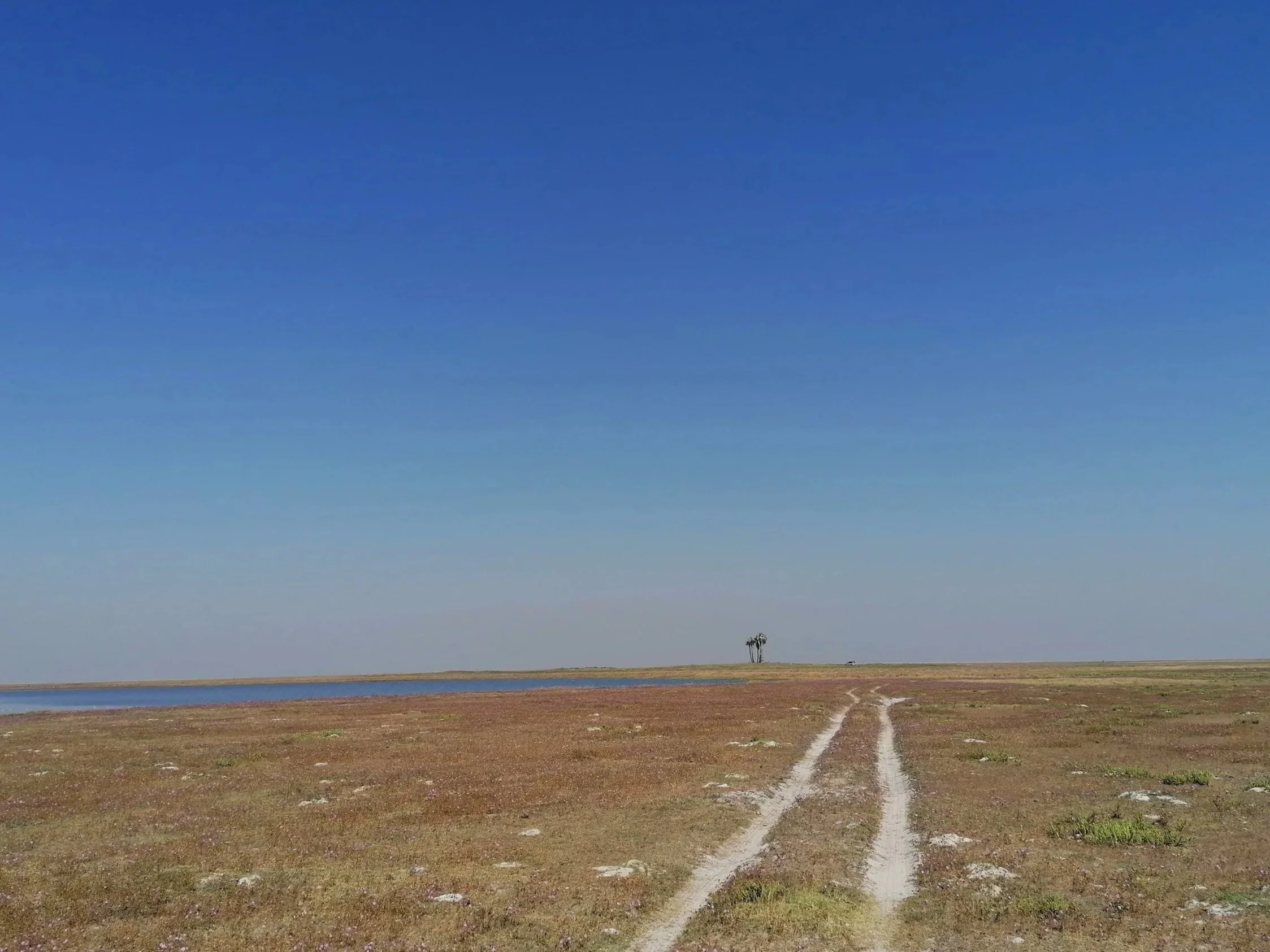
Sandy tracks in Liuwa Plain National Park
Trip Essentials
Duration: This is Zambia's most spread-out circuit - Kafue alone rewards a week or more, and Liuwa/Barotseland is a separate multi-day detour further west. Combining Kafue, Liuwa, and a run out to Ikelenge comfortably fills 2–3 weeks; if time is tight, treat Kafue and the Barotseland/Liuwa leg as separate trips.
Gateways: Kafue is most commonly accessed from Lusaka via Mumbwa; Liuwa and Barotseland are reached via Mongu and Kalabo; West Lunga and Ikelenge sit in the remote far northwest near the source of the Zambezi.
Vehicle: A 4x4 is essential for Liuwa Plains due to thick sand, and recommended (though not essential) for Kafue.
Fuel: Stops are limited across this region, so carry extra - especially for Liuwa. Mongu normally has reliable fuel and is the last realistic place to fill up before Liuwa; there is no fuel in Kalabo.
Supplies: Mongu has a Shoprite where you should find most essentials before heading into the more remote stretches.
Recommended Campsites in Western Zambia
Kafue National Park:
Hornbill Safari Camp, Southern Kafue NP
Malala Wilderness Campsite, Southern Kafue NP
Chibila Camp, Itezhi Tezhi
Musungwa Campsite, Itezhi Tezhi
Roys Camp, Hook Bridge, Central Kafue NP
Kasabushi Campsite, Central Kafue NP
Mapunga Bush Camp, Central/Northern Kafue NP
Saba Safaris, Central/Northern Kafue NP
Myala Bush Camp, Northern Kafue NP
Bongololo Campsite, Northern Kafue NP (closest campsite to the Busanga Plains)
McBrides Camp, North East Kafue NP
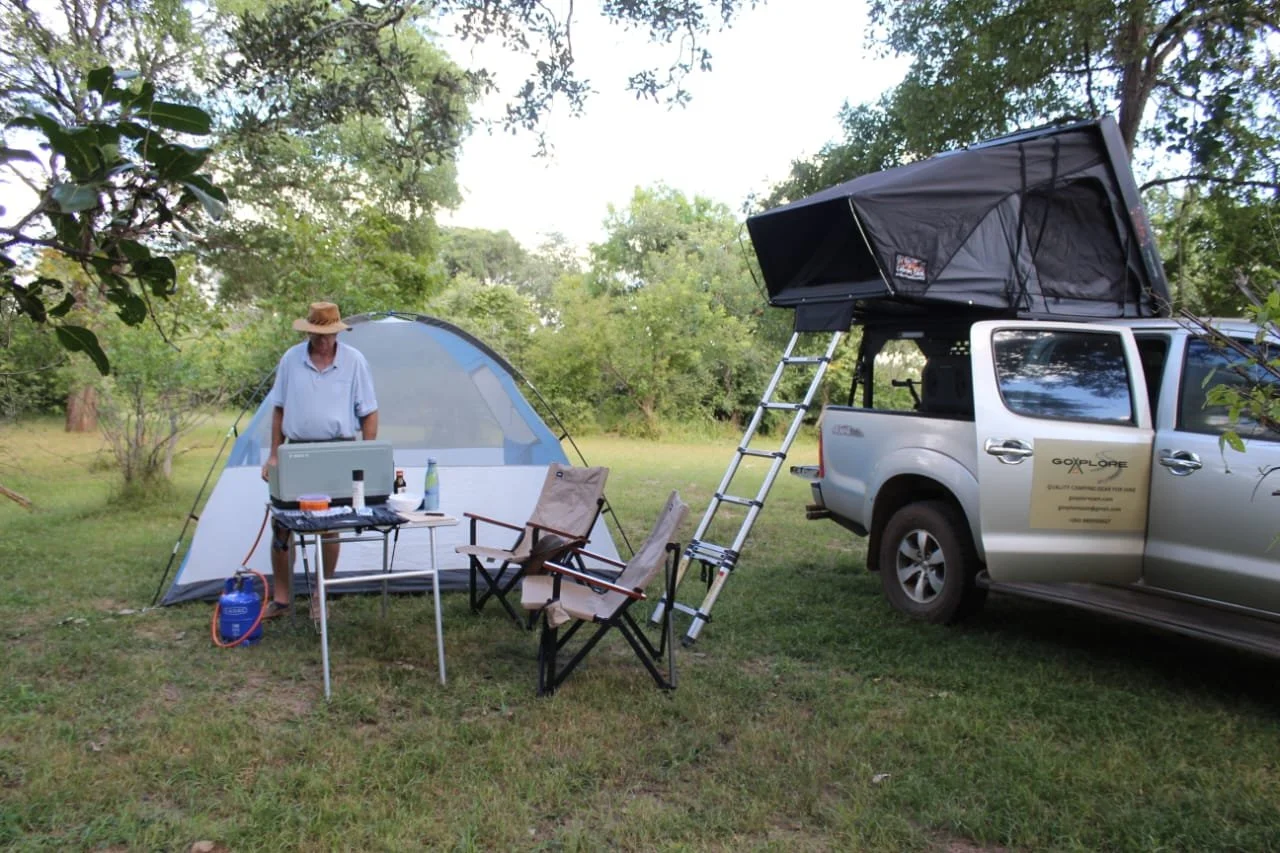
Kasabushi Campsite, Kafue National Park
West Lunga & Ikelenge:
Kabompo River Lodge, West Lunga NP
Nchila Safari Lodge Campsite, Ikelenge (best base for visiting the source of the Zambezi)
Liuwa Plain & Barotseland:
Katoyana, Sikale, Kwale, and Mukalabumbu - Liuwa Plain NP campsites managed by African Parks
Ngonye Camp Campsite, Ngonye Falls
Kabula Lodge - a perfect stopover between Livingstone and Liuwa Plains
Ready to Plan Your Trip?
Want a ready-made itinerary rather than building your own from this list? See Suggested Routes: The Western Circuit for two day-by-day options - a 7-day Kafue-only loop and a fuller 16–17 day expedition through Kafue, West Lunga, Ikelenge, and Liuwa/Barotseland, finishing in Livingstone.
Take on the Western Circuit with GoXplore
Long distances, thin fuel networks, and thick Liuwa sand make this the circuit where being properly self-sufficient matters most. A well-fitted camper - onboard water and power, a reliable fridge, and a rooftop tent you can pitch anywhere - takes the pressure off when the next town or shop is hours away. Get in touch and we'll help you plan the right setup for Kafue, Liuwa, or the full run out to Barotseland.
the luangwa valley
It all begins with an idea.
Set off on an unforgettable overland adventure through Zambia's Luangwa Valley, where wildlife roams freely and every day brings a new thrill. From the iconic South Luangwa safaris to the remote North Luangwa wilderness and the immersive Amatololo Experience, this journey offers walking safaris, game drives, and starlit bush camps.
Along the way, you can connect with Zambia's Northern Circuit for even more off-the-beaten-path exploration, or extend your adventure east to the turquoise waters of Lake Malawi. Rugged tracks, rare wildlife, and authentic cultural encounters make this route a dream for overlanders seeking the ultimate African safari.
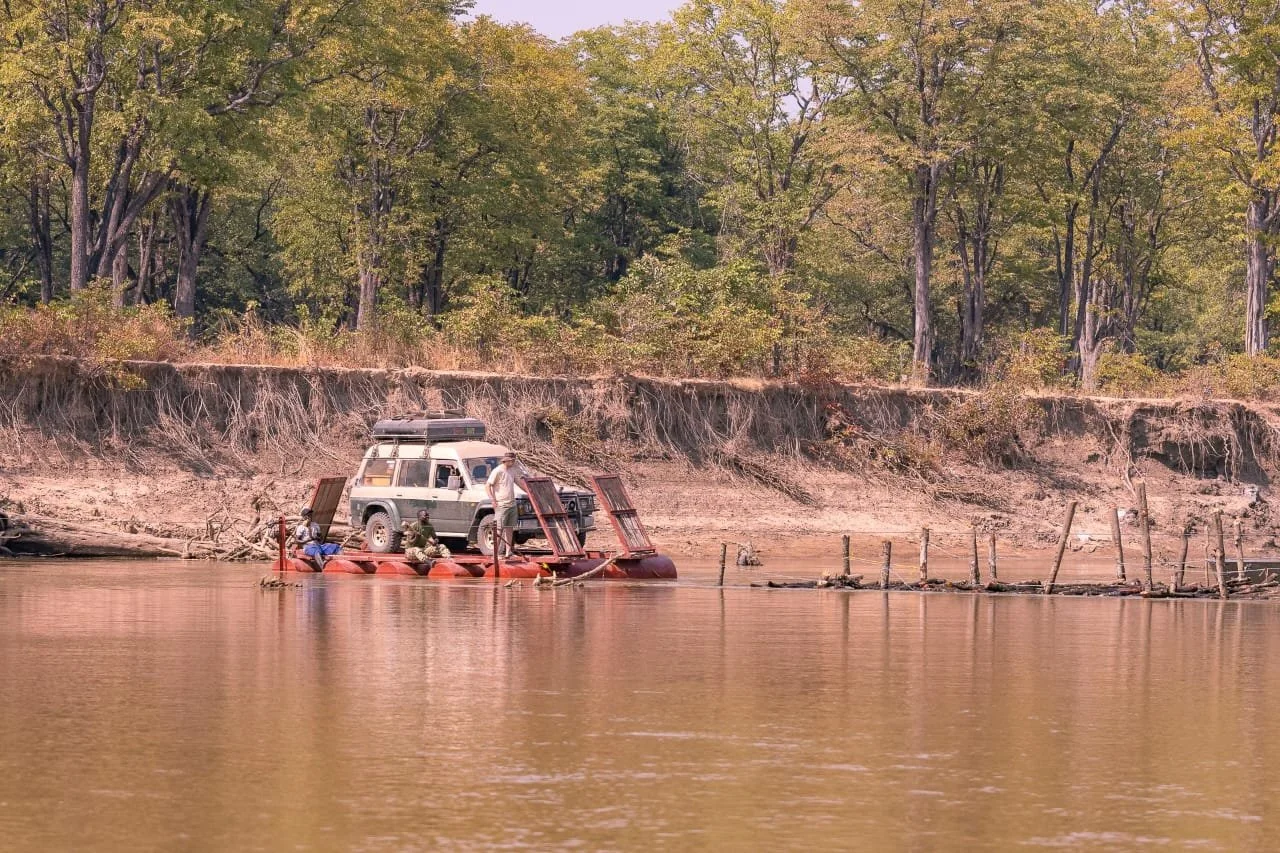
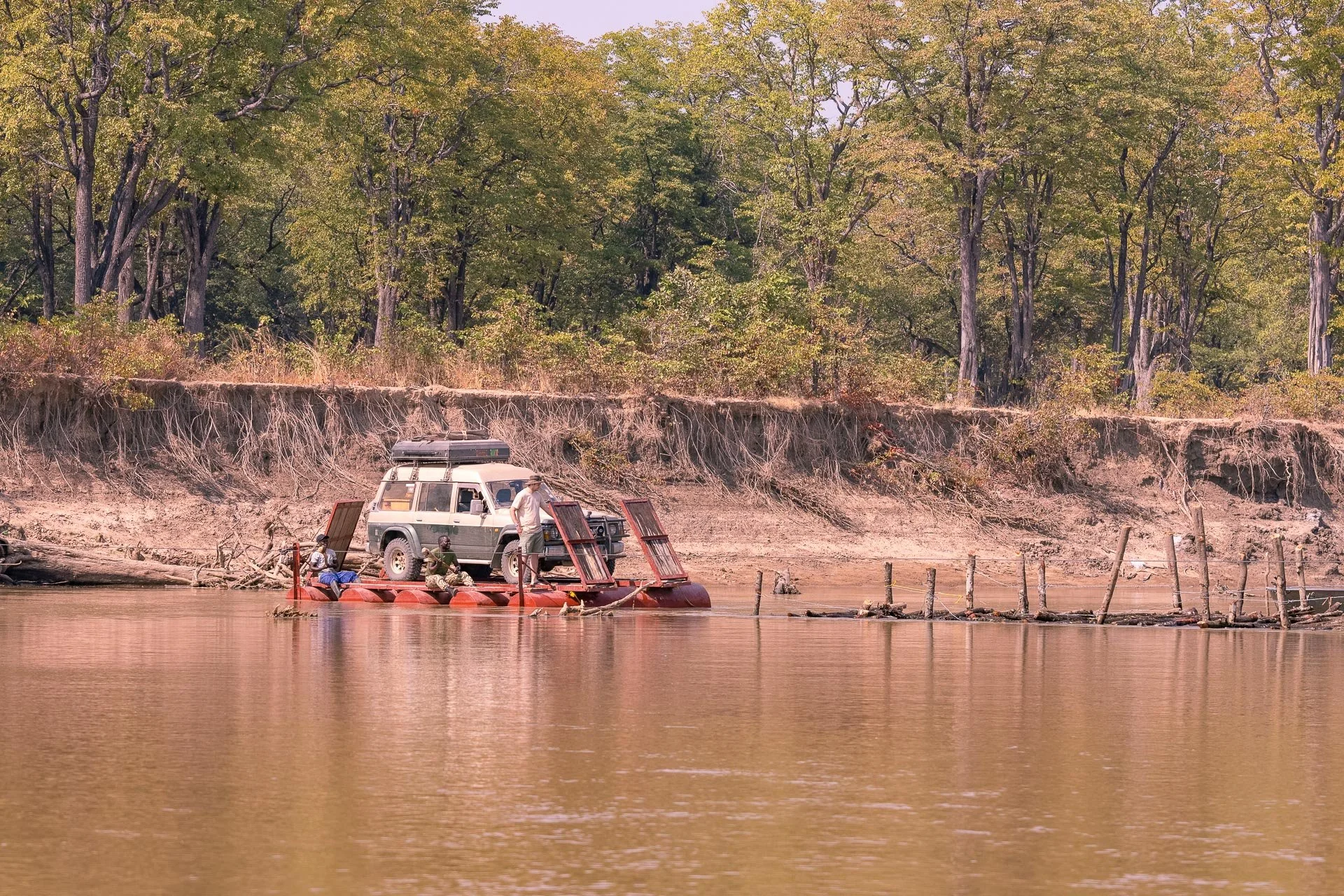
Crossing the Luangwa River by pontoon into North Luangwa National Park
Trip Essentials
Duration: Allow 4–5 days to cover South Luangwa and Nsefu comfortably; add 3–4 more if you're pushing on to North Luangwa and the Amatololo Loop, plus travel days either side.
Getting there: Lusaka to Mfuwe is a full day's drive - around 10–12 hours - so plan it as its own travel day rather than trying to combine it with sightseeing or a late start. The road from Lusaka to the Luangwa Bridge is very badly potholed, as is the stretch from Chipata to Mfuwe, so budget extra time and drive with care, especially after dark. Fuel is available along the way in Nyimba, Petauke, Katete, and Chipata.
Route: Great East Road from Lusaka → Chipata (fuel and supplies) → Mfuwe/South Luangwa → Nsefu → Luambe National Park → North Luangwa via Mano Gate (or the Chifunda/pontoon crossing from the east) → optional link north into the Northern Circuit or east to Lake Malawi.
Season: The Amatololo Loop and North Luangwa's community camps run in the dry season ( late June to October) - check ahead, as some campsites close entirely in the rains.
Vehicle: A 4x4 is essential for North Luangwa and the Amatololo tracks; trailers aren't recommended on this stretch. Services are extremely limited in North Luangwa, so carry extra fuel, water, and supplies.
Guides: A local guide is highly recommended for the Amatololo Experience - the tracks are remote and largely unmarked.
Tips for Travelling the Luangwa Valley
Fuel in Mfuwe isn't always reliable - fill up in Chipata before heading in.
Mayana Butchery in Mfuwe has good fresh produce if you're stocking up before heading further afield.
Recommended Campsites (South to North)
Bridge Camp, Luangwa Bridge
Mamarulas Guesthouse, Chipata
The Wildlife Camp, Mfuwe
Track and Trail, Mfuwe
Zikomo Camp, Nsefu
Kamukonzo Community Campsite, Luambe NP
Ituba Camp, North Luangwa
Samala Camp, North Luangwa
Mandalena Camp, North Luangwa
Amatololo Experience campsites (Lufila Falls, Nkholo, Muzungwe, Mushika), North Luangwa
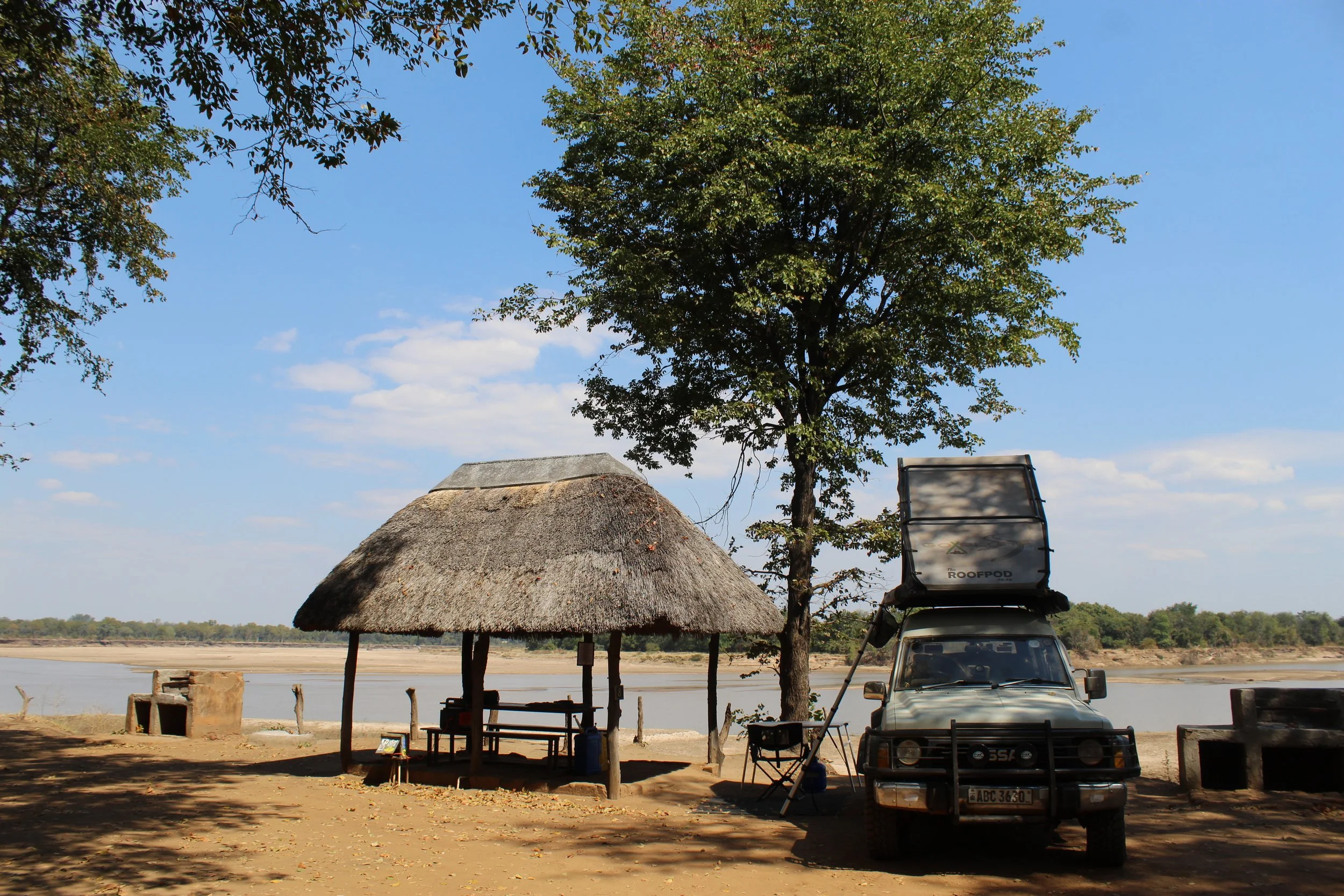
The Wildlife Camp Campsite
Ready to Plan Your Trip?
Want a ready-made itinerary rather than building your own from this list? See Suggested Routes: The Luangwa Valley for two day-by-day options — a 6-day South Luangwa highlights trip and a fuller 11–12 day explorer that adds North Luangwa and the Amatololo Experience.
Take on the Luangwa Valley with GoXplore
South Luangwa is a great warm-up for a fully kitted rig, but it's North Luangwa and the Amatololo tracks where a properly self-sufficient setup earns its keep - no fuel, no shops, and no one to bail you out. Our campers are built for exactly this: fridge, water, and power to keep you going between the very limited services, and a rooftop tent for wherever the day's drive ends. Get in touch and we'll help you plan the right vehicle and gear for the valley.
Which Circuit Is Right for You?
All four of Zambia's overland circuits are rewarding in different ways. Here's how they stack up, to help you pick a starting point - or work out how to combine them.
Northern Circuit - Duration: 6–14 days. Difficulty: Moderate, 4x4 recommended with some rough detours. Best season: Dry season (Jul–Oct); November for the bat migration. Family-friendly: Yes. Highlights: Kasanka bats, Bangweulu wetlands, Shiwa Ng'andu, Lake Tanganyika.
Southern Circuit - Duration: 7–10 days. Difficulty: Easy–Moderate, mostly tar with a 4x4 needed for the Lower Zambezi and back roads. Best season: Year-round, though dry season is best for Lower Zambezi wildlife. Family-friendly: Yes - the most family-friendly of the four. Highlights: Victoria Falls, Lower Zambezi safaris, Lake Kariba.
Western Circuit - Duration: 2–3 weeks, or split into separate legs. Difficulty: Hard, 4x4 essential for Liuwa, remote and spread out. Best season: Dry season; November–December for the Liuwa migration. Family-friendly: Better suited to experienced overlanders. Highlights: Kafue National Park, Liuwa Plain migration, Ngonye Falls, Barotseland culture.
Luangwa Valley - Duration: 6–14 days. Difficulty: Moderate–Hard - easy in South Luangwa, 4x4 essential further north. Best season: Jun–Oct (North Luangwa and the Amatololo Experience require dry season). Family-friendly: Yes for South Luangwa; North Luangwa better suited to experienced travellers. Highlights: South Luangwa walking safaris, remote North Luangwa, the Amatololo Experience.
Quick Guidance
First time overlanding in Zambia, or travelling with young kids? Start with the Southern Circuit - tarred roads, iconic scenery, and the shortest learning curve.
Want serious wildlife with manageable logistics? The Luangwa Valley, sticking to South Luangwa and Nsefu, delivers big rewards without needing full remote self-sufficiency.
Short on time but want something off the beaten path? The Northern Circuit packs a lot into 1–2 weeks and pairs naturally with a Luangwa Valley extension in the dry season.
Experienced overlander with 2+ weeks and a properly kitted 4x4? The Western Circuit is the most remote and rewarding of the four - Kafue, Liuwa, and Barotseland together are a genuine expedition.
Combining Circuits
Several of these link up naturally:
Northern Circuit + Luangwa Valley - doable in the dry season (Jul–Oct), extending either into a longer trip.
Luangwa Valley + Lake Malawi - the Luangwa Valley route can be extended east across the border.
Southern Circuit as a standalone loop - it's self-contained and doesn't require linking to the others, making it the easiest single trip.